
My feet are completely numb. I’ve just spent the last seven hours walking the floor at the IEAE Shenzhen Expo. With over 1,200 exhibitors crammed into a massive 55,000-square-meter space at the Futian center, it’s a chaotic mess of bright lights and aggressive sales pitches.
I didn’t come to this trade show just to collect glossy brochures. A client in Europe recently asked me why the failure rate on his smart outdoor string lights spikes so aggressively during winter. I brought that exact question with me today.
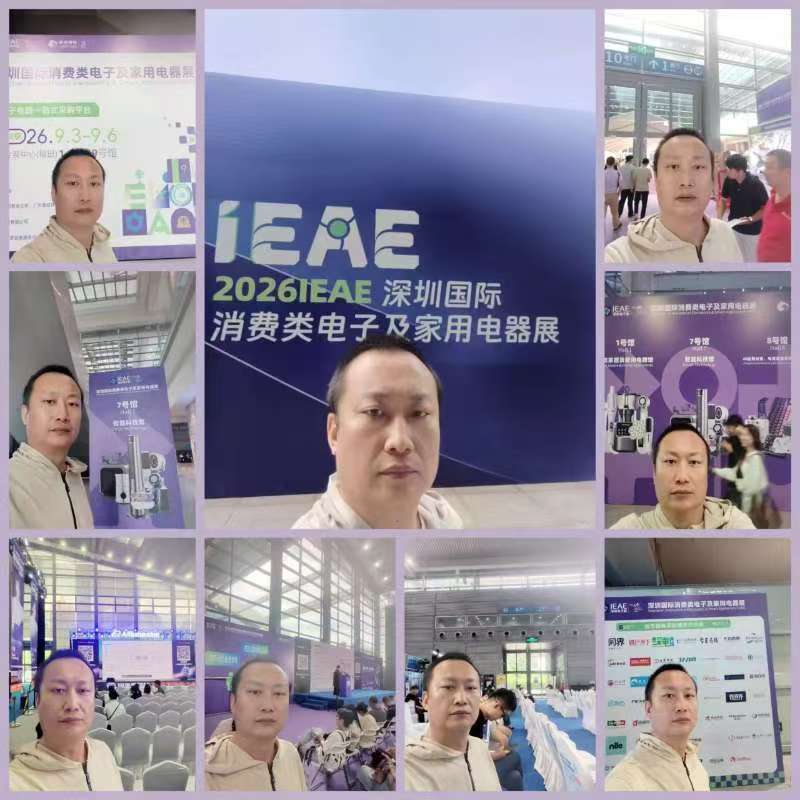
I started my morning navigating through Hall 6 and 7, the zones dedicated to smart home appliances. I stopped by a booth that makes outdoor consumer electronics. Their sales manager handed me their newest solar-powered LED model and promised a much longer battery life. I flipped it over. The heat sink casing on the back was noticeably thinner than the standard spec requires for extreme weather.
When I pointed this out, he gave me a nervous laugh and mumbled something about saving shipping weight.
That right there is the reality of sourcing. A factory will downgrade the aluminum housing to shave off a few cents, and your client ends up dealing with dead batteries in December. If you aren’t physically here to feel the weight of the sample, you miss it completely.
Beyond the Glossy Brochures at the IEAE Shenzhen Expo
Later in the afternoon, I moved into Hall 8 to check out the smart wearables and audio equipment. Face-to-face time is still the only real currency in this business. I caught up with a few of my older suppliers who manufacture Bluetooth devices.
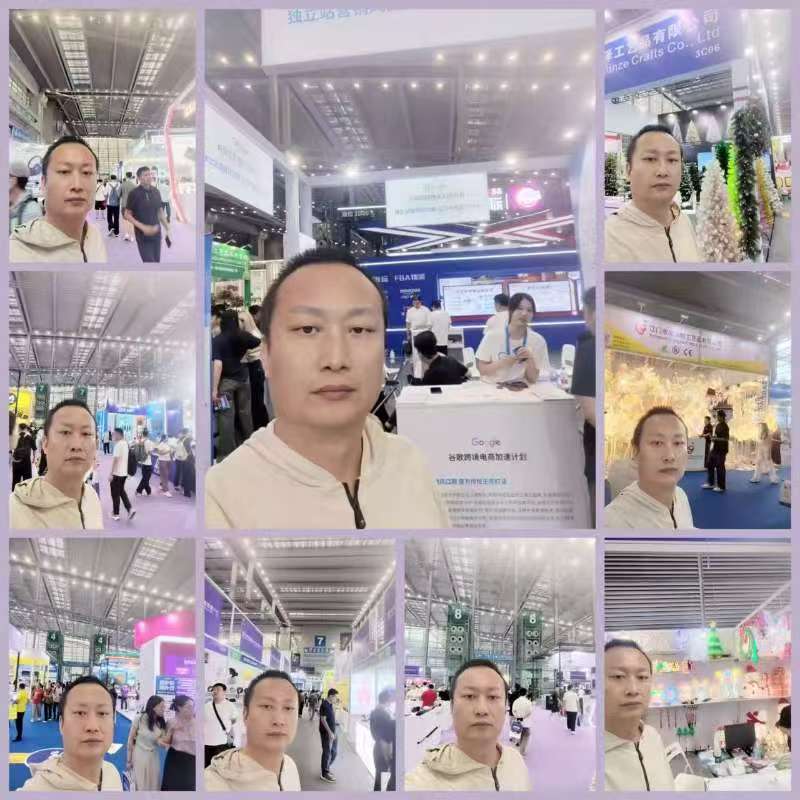
We sat down, drank some terrible instant coffee, and argued about material costs for an upcoming Q1 order. They’re pushing for price hikes. I’m holding the line based on the raw material data I’ve been tracking over the past three months.
If you’re importing consumer electronics, you know how fast these product trends move. I saw some interesting shifts toward integrated smart wearables today, but I’m waiting to see how they actually handle compliance testing before recommending anything to my buyers. You can read up on the IEC standard for electronic safety (IEC 62368-1) to understand exactly how rigorous those baseline thermal tests actually are for these devices.
Walking these aisles reminds me exactly why my clients hire me. They need someone who can spot a cheap, downgraded heat sink before a massive deposit is paid. We regularly catch these exact material issues during our routine factory audits and inspections.
If you need someone on the ground in China to physically inspect your next electronics order, send me a message on the contact page. I’m going to go find a chair now.